


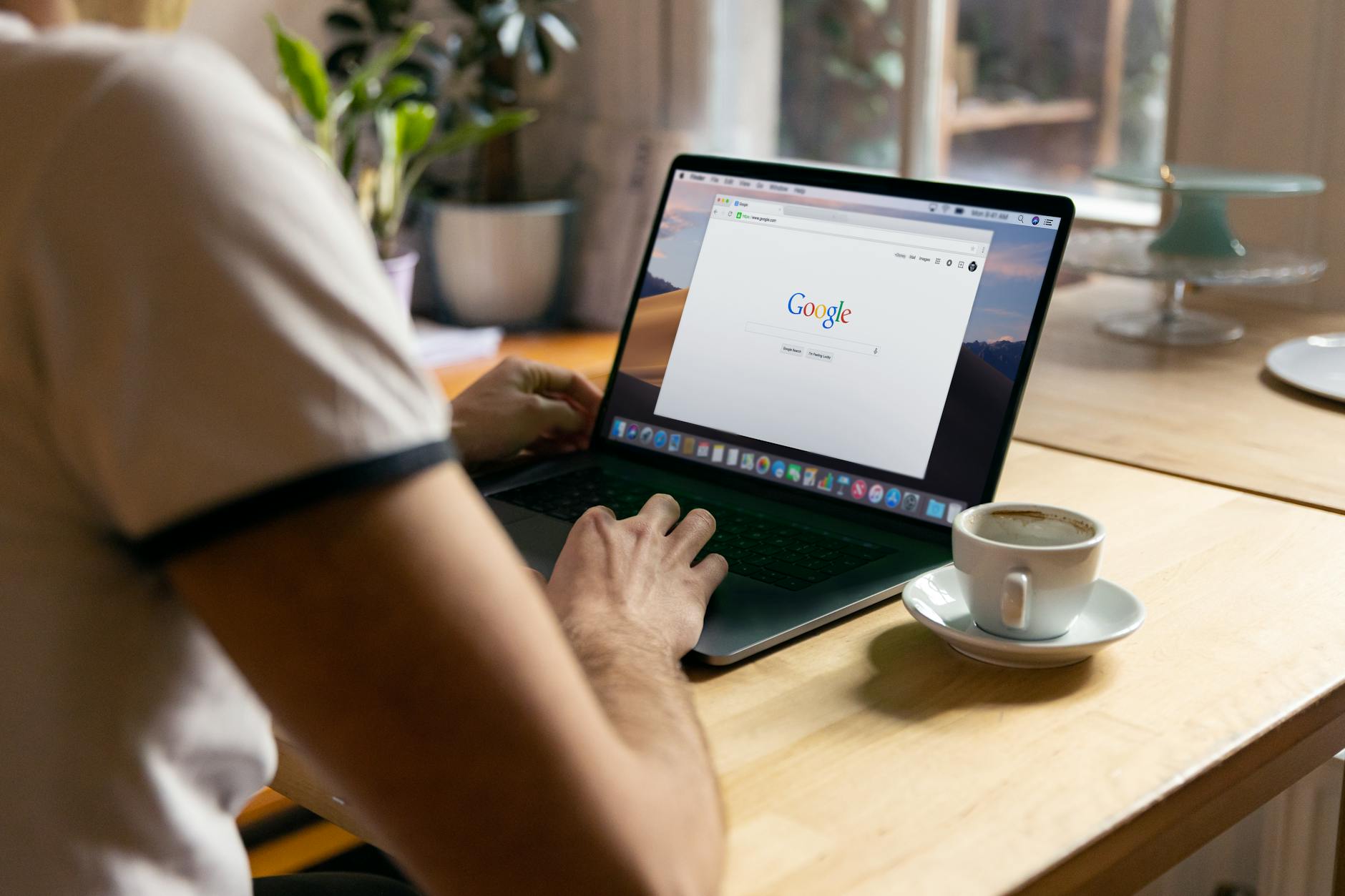

If SEO has started to feel more confusing lately, you are not imagining it.
Search is changing fast. Google is showing AI summaries. Reddit threads are surfacing more often. Social profiles are showing up in results. And the way people find information online is no longer limited to typing a phrase into Google and clicking through pages of links.
For travel advisors, this shift matters.
Because even though the tools are changing, one thing is still true: your future clients are searching before they inquire. They are looking for destination expertise, planning support, proof of trust, and someone who understands exactly what kind of trip they want to take.
That means your online presence still needs to do two jobs well. It needs to help people find you and it needs to help them trust you.
SEO is still about being discoverable, but the rules are evolving
At its core, SEO is still search engine optimization. It is still about helping the right people find your business when they are searching for answers, services, or support online.
What has changed is how that information gets delivered.
Instead of only seeing a list of websites, users now often get an AI-generated summary at the top of the page. They may see a quick answer before they ever click a link. They may find a Reddit thread, a blog post, an Instagram profile, or a Google Business listing before they ever land on a traditional website homepage.
That means the goal is no longer just “get more clicks.”
The goal is to create content that is clear, useful, and easy for search platforms to understand so your business can be referenced in the first place.
As Lauren Kutschke of Salted Pages put it in the episode, “SEO makes it easier for people to find you.”
That is still the job. The difference is that now your content may need to serve both the human reader and the AI-powered systems helping surface your business.
Travel advisors do not need more noise. They need clearer messaging
One of the biggest takeaways from this conversation is that strong SEO does not start with hacks. It starts with clarity.
If your website is vague, broad, or full of generic language, it becomes harder for search tools to understand what you actually do. It also becomes harder for potential clients to know whether you are the right fit.
This is where many advisors get stuck.
They want to appeal to everyone, so they avoid specificity. They describe themselves in broad terms. They keep their niche loose. They skip the details that make them stand out because they worry about putting themselves in a box.
But specificity is exactly what helps you get found.
If you plan luxury Italy itineraries, say that. If you specialize in destination weddings, say that. If you work best with families, honeymooners, retirees, or food-focused travelers, say that too.
The more clearly you describe your expertise, the easier it becomes for search engines and real people to connect you with the right opportunity.
Your website copy needs to be easier to scan
There is also a user behavior shift happening that travel advisors need to pay attention to.
People want answers faster.
That does not mean your website should sound robotic or stripped of personality. It does mean your copy should be easier to navigate. Visitors should be able to quickly understand:
Who you help
What you plan
What makes your approach different
What to do next
Long, oversized paragraphs and overly poetic introductions can slow that process down.
Instead, aim for clean structure. Use strong headers. Keep paragraphs short. Make the most important information visible early. Let your personality support the message, not bury it.
There is a balance here. Too little copy gives search engines nothing to understand. Too much unfocused copy overwhelms the reader.
The sweet spot is content that is clear, strategic, and still unmistakably yours.
Searchability now includes more than your website
Another important shift is that your website is no longer the only asset contributing to your visibility.
Search platforms are also paying attention to public-facing content across the web. That can include your Google Business Profile, online directories, public social media profiles, reviews, and any place where your business is mentioned by name.
That matters because trust is now being built from multiple sources.
If your travel business has strong reviews, updated business information, and mentions on reputable sites, that strengthens your online authority. If your host agency directory, local chamber listing, or featured interview includes your business, those signals can help reinforce your credibility.
This is also why testimonials matter far beyond your sales page. Reviews do not just help with conversion. They support discoverability too.
For advisors, this is a good reminder to save your testimonials, organize your Google reviews, and make them easy to repurpose across your marketing.
AI is rewarding originality, not generic content
Perhaps the most encouraging insight from this episode is that AI is not only rewarding technical optimization. It is also rewarding originality.
Generic content blends in. Specific content stands out.
When your website reflects real details about your experience, background, process, and perspective, that creates more signals for search systems to work with. It also makes your brand more memorable.
This is especially relevant in an industry where many websites start to sound the same.
If your copy only says you create unforgettable experiences and personalized itineraries, you are not giving search platforms or potential clients much to hold onto.
But when your website naturally includes the details that make your business distinct, you create a stronger footprint. That may include the destinations you know deeply, the kinds of travelers you serve best, your planning philosophy, or even the values that shape your work.
The takeaway is simple: do not strip your website of personality in the name of professionalism.
Personality is part of what makes your content useful.
Where travel advisors should focus first
If your SEO feels overdue, start here.
First, review your messaging. Make sure your website clearly says what you do, who you do it for, and what makes your planning style different.
Second, make sure your website is actually indexable. Tools like Google Search Console help search engines understand that your site exists and what pages it contains.
Third, strengthen your Google Business Profile and ask for reviews consistently.
Fourth, create content based on what your ideal client is already searching for. That might mean writing blog posts about destination-specific planning questions, ideal hotel types, seasonal travel considerations, or the common mistakes travelers make before booking.
Not every advisor needs to become a full-time blogger. But every advisor does need content that answers real questions and supports the way people search now.
The goal is not just traffic. It is qualified trust.
The most important mindset shift from this episode is this: more visibility only matters if it leads to the right kind of inquiry.
Yes, traffic may look different in the AI era. Yes, clicks may be lower than they once were. But that does not mean SEO is dead. It means the clicks you do get are more important.
When someone lands on your website now, they should quickly feel two things: clarity and confidence.
They should understand what you offer. And they should feel that you know what you are doing.
That is what modern SEO supports when it is done well.
It helps the right people find you. Then your messaging takes it from there.
Ready to make your website more searchable and more strategic? Join Niche for Lauren’s Hands-On SEO session on April 9 and get practical guidance on how to research keywords, apply them well, and optimize your website.
Then, if you need a better way to organize your testimonials, content ideas, and marketing assets behind the scenes, explore the ClickUp Business Hub Template.
And while you’re at it, subscribe to the podcast so you do not miss more conversations like this one that help you build a smarter, stronger travel business.





Comments +