

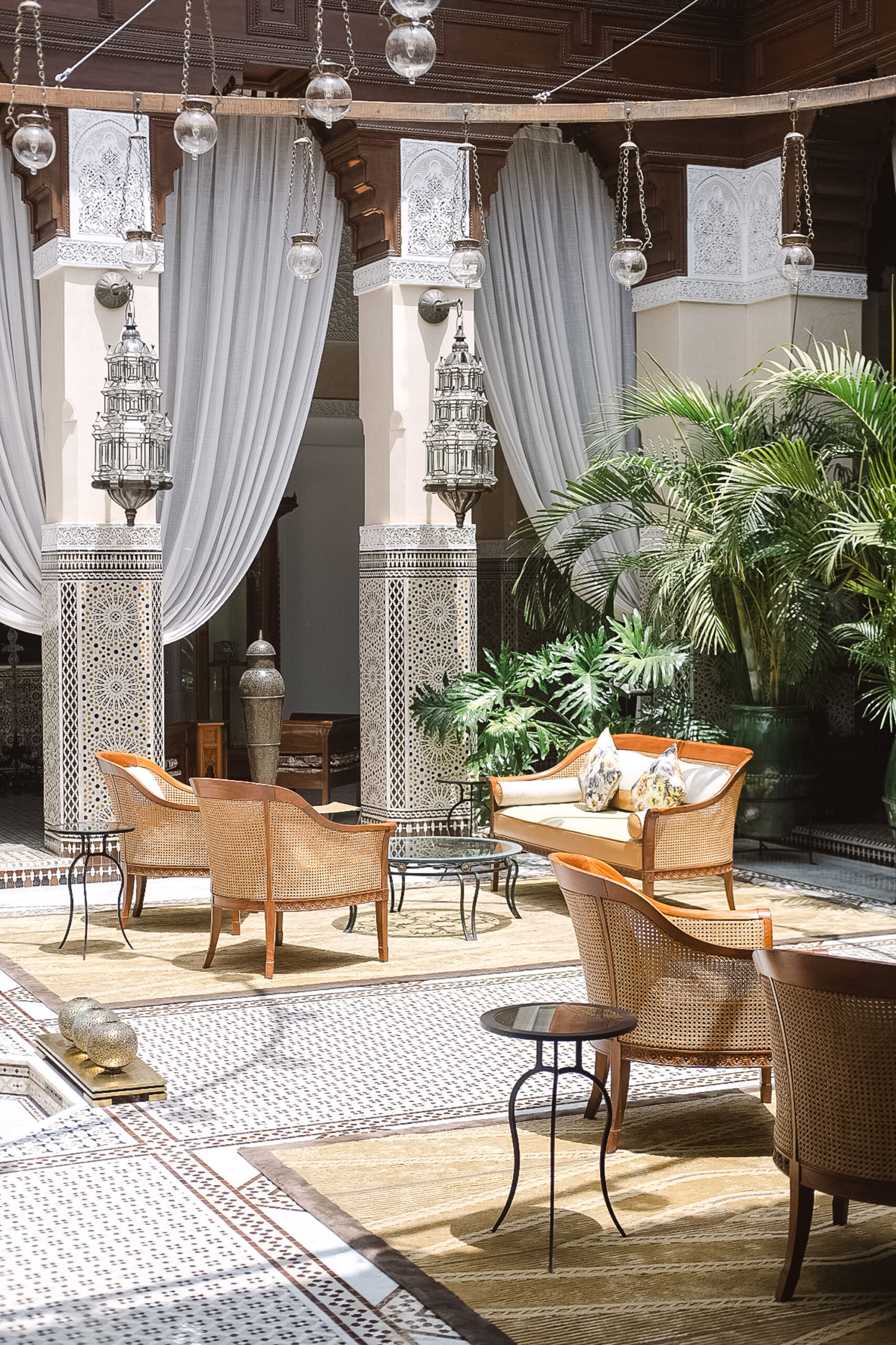

There are hotels you stay in because they’re convenient and then there are hotels that completely change the way you experience a destination. The kind where you walk into the lobby and immediately exhale. The lighting softens your shoulders. The scent becomes part of the memory. The design makes you feel inspired, calm, romantic, creative, or even more like yourself. That reaction is not superficial. It’s psychological.
In a recent TIQUE Talks conversation, we sat down with Opulist founder Sara Bacon to discuss the science behind aesthetics, why beautiful spaces affect us so deeply, and how travel advisors can use intentional hotel selection to dramatically improve the client experience.
Because the truth is this: The right hotel can scientifically create happiness.
Why Beautiful Spaces Affect Us Emotionally
Sara introduced us to the concept of neuroaesthetics, the study of how design, beauty, and environment affect the human brain. Once you understand it, it changes the way you think about travel forever.
According to Sara, beautiful spaces signal safety, abundance, and comfort to our nervous systems. Historically, humans only had the ability to decorate and create aesthetically pleasing environments once survival needs were met. That means beauty subconsciously communicates:
- Safety
- Stability
- Rest
- Creativity
- Abundance
Even something as simple as fresh flowers in a room can psychologically signal care and comfort.
“Beautiful places make us feel like we’re thriving and calm and safe.” — Sara Bacon
A thoughtfully designed hotel can completely transform the emotional experience of a trip. It’s also why clients remember certain stays forever.
Hotel Selection Is About More Than Budget
One of the biggest mistakes travel advisors make is treating hotel selection like a logistics exercise instead of an emotional matchmaking process. Yes, budget and location matter. But if you stop there, you miss the deeper layer that clients often cannot articulate. Two hotels can sit at the exact same price point and create entirely different emotional experiences.
Sara and Jennifer discussed this through the lens of personality-driven hotel recommendations. One client may love an ornate, historic villa filled with antiques, tapestries, and old-world charm. Another may feel overwhelmed by that same environment and prefer sleek minimalism, muted tones, and calming design. Neither preference is wrong. But choosing incorrectly impacts how the client feels throughout the entire trip. That’s why the best advisors ask questions beyond demographics and budget.
They uncover things like:
- Does this client crave calm or stimulation?
- Do they value intimacy or energy?
- Do they want to feel like a local or escape into luxury?
- Do they prioritize design, social atmosphere, wellness, or familiarity?
- Do they romanticize travel or optimize convenience?
Those answers shape the perfect stay far more than star ratings ever will.
The Psychology of Hospitality Design
Hotels, restaurants, and hospitality brands understand environmental psychology more than most people realize. Sara shared the example of casual restaurants intentionally using brighter lighting, colder temperatures, and less comfortable seating to encourage faster table turnover. Luxury spaces do the opposite.
They use:
- Softer lighting
- Rich textures
- Comfortable seating
- Ambient music
- Warm tones
- Intentional scenting
All to encourage relaxation and lingering. The goal is not simply aesthetics. It’s emotional regulation. When clients feel regulated, they feel happier.
That emotional state impacts:
- Satisfaction scores
- Online reviews
- Trip memories
- Referral likelihood
- Repeat booking behavior
In other words, aesthetics directly influence client retention.
Why “Functional” Travel Is No Longer Enough
Many travelers are no longer satisfied with simply checking a destination off a list. They want to feel something while they’re there. That includes short trips, conference stays, wedding weekends, sports travel, and quick city escapes. Sara explained that even highly functional trips can become memorable experiences through intentional hotel and venue selection.
A charming boutique coffee shop can completely reshape someone’s impression of a city.
A beautifully designed cocktail bar can become the highlight of an otherwise work-focused itinerary.
A thoughtfully selected hotel lobby can inspire creativity and connection.
Travelers increasingly want experiences that feel curated, cinematic, and emotionally resonant. That creates a huge opportunity for advisors.
How Travel Advisors Can Use Aesthetics as a Competitive Advantage
This conversation highlighted something incredibly important: Clients are buying feelings, not features.
Travel advisors who understand emotional storytelling and environmental psychology will stand out immediately in a crowded market. Anyone can list amenities, but describing how a client will feel inside a space creates emotional buy-in.
Instead of saying:
- “This hotel has a rooftop bar.”
You say:
- “Picture yourself sipping champagne at sunset overlooking the city skyline after a full day exploring.”
That difference matters. It transforms the booking from transactional to experiential and changes the way advisors should approach their own branding.
Your website, Instagram, proposal design, and social media presence all communicate a feeling before a client ever inquires. If your visual identity aligns with the type of experiences you sell, clients naturally self-select into your brand. That alignment builds trust quickly.
The Rise of Aesthetic Travel Planning
Sara created Opulist because she saw a gap in the travel space. Traditional search platforms focus heavily on ratings, pricing, and logistics. But many travelers are searching for something harder to define:
- Ambiance
- Atmosphere
- Design
- Emotional experience
- Visual storytelling
- Energy
Opulist curates hotels, restaurants, bars, and coffee shops based on aesthetics and overall feeling rather than traditional travel metrics alone. It reflects where travel planning is headed. Today’s travelers want to romanticize their lives. They want meaningful moments, beauty woven into ordinary experiences, and increasingly, they’re willing to invest in the advisors who understand how to create that for them.
Final Thoughts
The best travel experiences are rarely about perfection. They’re about emotional resonance. The feeling of sitting in a softly lit hotel lobby after a long day exploring. The memory of a beautifully designed café hidden inside an unexpected city. The sense of calm that comes from walking into a hotel room that instantly feels aligned with who you are. That’s not extra. That’s the experience itself.
As travelers become more intentional about how they spend both their time and money, advisors who understand the psychology behind aesthetics will create stronger client loyalty, better referrals, and more unforgettable trips.


Comments +